Non-ferrous metals refer to metals other than iron, manganese, and chromium, including aluminum, copper, zinc, lead, and their alloys. They have unique physical and chemical properties, such as light weight, good electrical conductivity, thermal conductivity, and corrosion resistance, and are widely used in high-tech fields, new energy, aerospace, and other fields. With the rapid development of global high-tech industries, the demand for non-ferrous metal materials is increasing year by year. According to the World Bureau of Metal Statistics (WBMS), the global consumption of non-ferrous metals reached 100 million tons in 2025, an increase of 6.2% compared with the previous year.
1. Aluminum and Aluminum Alloys: Light Weight and High Strength for Energy Conservation
Aluminum is the most widely used non-ferrous metal, with a density of 2.7g/cm³, which is only 35% of that of steel. It has good electrical conductivity, thermal conductivity, and formability, and can be alloyed with other elements (such as magnesium, silicon, copper) to improve its strength and hardness. Aluminum alloys are widely used in automotive, aerospace, construction, and new energy fields.
In the automotive industry, the use of aluminum alloys can reduce the weight of the vehicle, thereby reducing fuel consumption and carbon emissions. According to data from the International Aluminum Institute (IAI), each 100kg reduction in vehicle weight can reduce fuel consumption by 0.6-0.8L per 100km and reduce carbon emissions by 1.5-2kg. Shengtao Metal’s aluminum alloy plates and profiles are used in the production of automotive bodies and parts, which not only reduce the vehicle weight but also improve the safety and durability of the vehicle.
In the construction industry, aluminum alloy profiles are used for doors, windows, and curtain walls, which have the advantages of light weight, beautiful appearance, and corrosion resistance. Compared with steel profiles, aluminum alloy profiles are easier to process and install, and can save construction time and costs. Shengtao Metal’s aluminum alloy curtain wall profiles have been used in several high-rise buildings in Europe, with a service life of more than 25 years.
2. Copper and Copper Alloys: Excellent Electrical Conductivity for Electrical and Electronic Fields
Copper has excellent electrical conductivity and thermal conductivity, which is second only to silver. It has good ductility and corrosion resistance, and is widely used in electrical, electronic, and heat exchange fields. Copper alloys, such as brass (copper-zinc alloy) and bronze (copper-tin alloy), have better mechanical properties than pure copper and are used in more complex scenarios.
In the electrical industry, copper wires and cables are the main carriers of power transmission. The electrical conductivity of copper is 97% of that of silver, which can reduce power loss during transmission. Shengtao Metal’s copper wires and cables have high conductivity and low resistance, and are widely used in power grids, electrical equipment, and electronic products. For example, our copper cables are used in the construction of power grids in Southeast Asia, which can reduce power loss by 10%-15% compared with ordinary copper cables.
In the heat exchange field, copper tubes are widely used in air conditioners, refrigerators, and heat exchangers due to their good thermal conductivity. Shengtao Metal’s copper tubes have high precision and good corrosion resistance, and the heat exchange efficiency is 20%-30% higher than that of aluminum tubes. They are well received by clients in the refrigeration industry.
Market Development Trends of Galvanized Steel and Non-Ferrous Metal Materials
With the continuous advancement of industrialization and the transformation and upgrading of industries, the market for galvanized steel and non-ferrous metal materials is showing several obvious development trends, which will have an important impact on the selection and application of B-end clients.
1. Increasing Demand for High-End Products
With the improvement of industrial technology level, the demand for high-performance, high-precision galvanized steel and non-ferrous metal materials is increasing. For example, in the new energy vehicle industry, there is a demand for high-strength aluminum alloys and copper alloys with high conductivity; in the aerospace industry, there is a demand for lightweight, high-temperature resistant aluminum and titanium alloys. Shengtao Metal has seized this market opportunity, increased R&D investment, and developed a series of high-end products to meet the needs of high-tech industries. For example, our high-strength aluminum alloy plates for new energy vehicles have a tensile strength of up to 600MPa, which meets the strict requirements of the automotive industry.
2. Integration of Environmental Protection and Circular Economy
Global environmental protection policies are becoming increasingly strict, and the metal material industry is paying more and more attention to environmental protection and circular economy. For galvanized steel, the traditional hot-dip galvanizing process will produce a certain amount of waste water and waste gas. Shengtao Metal has introduced advanced environmental protection galvanizing technology, which can reduce waste water and waste gas emissions by 80% compared with the traditional process, meeting the environmental protection standards of various countries.
For non-ferrous metals, the recycling rate is an important indicator of circular economy. Aluminum has a recycling rate of more than 95%, and copper has a recycling rate of more than 85%. Shengtao Metal has established a recycling system for non-ferrous metal scrap, which can recycle and reuse waste aluminum, copper, and other materials, reducing resource waste and environmental pollution. At the same time, the recycled non-ferrous metals can reduce production costs by 30%-40%, bringing more benefits to clients.
3. Expansion of Global Market Demand
With the acceleration of global infrastructure construction and the development of emerging markets (such as Southeast Asia, Africa, and South America), the demand for galvanized steel and non-ferrous metal materials in these regions is growing rapidly. For example, in Southeast Asia, the construction of infrastructure such as roads, bridges, and buildings has driven the demand for galvanized steel and aluminum alloys; in Africa, the development of the power industry has increased the demand for copper cables and aluminum conductors.
Shengtao Metal has actively expanded its global market layout since 2015, establishing sales offices and logistics centers in Southeast Asia, the Middle East, Europe, and South America. We have established long-term cooperative relationships with local clients, providing them with high-quality products and timely services. In 2025, our sales volume in emerging markets increased by 35% compared with the previous year, showing a good development momentum.
4. Intelligent Production and Digital Transformation
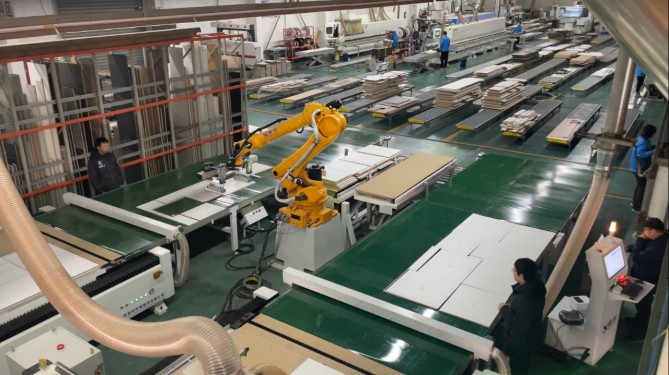
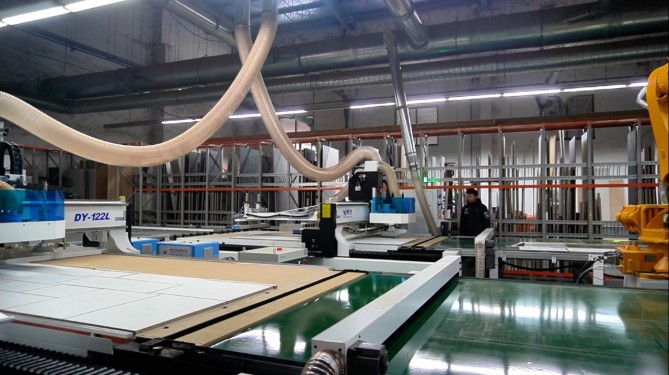
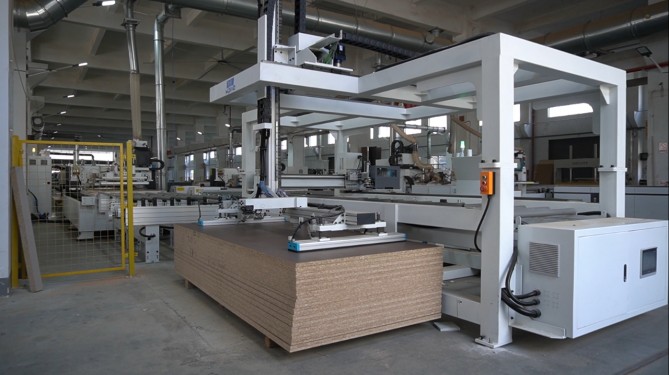
With the development of Industry 4.0, the metal material industry is moving towards intelligent production and digital transformation. Shengtao Metal introduced advanced automated production lines and intelligent testing equipment in 2018, realizing the automation of raw material procurement, production, testing, and delivery. The production efficiency has been improved by 40%, and the product quality stability has been further enhanced.
At the same time, we have built a digital management system, which can realize real-time monitoring of production progress, inventory status, and order information. Clients can query the progress of their orders at any time through the system, improving the transparency and efficiency of cooperation. This intelligent and digital transformation has not only improved our core competitiveness but also brought more convenient services to B-end clients.