When it comes to fishing, having the right gear can make all the difference. While a regular backpack may seem like a convenient choice for carrying supplies, it often falls short when used on long fishing trips. That is where the angler backpack comes in. Specifically designed for fishermen, these backpacks provide specialized storage, water resistance, and comfort that ordinary backpacks cannot match.
In this article, we will explore the key differences between an angler backpack and a regular backpack, and why serious anglers prefer to invest in fishing-specific gear.
Purpose-Built Design
The main difference lies in purpose. A regular backpack is designed for general use—school, work, travel, or hiking. It has compartments for books, clothes, and personal items but lacks features that address fishing needs.
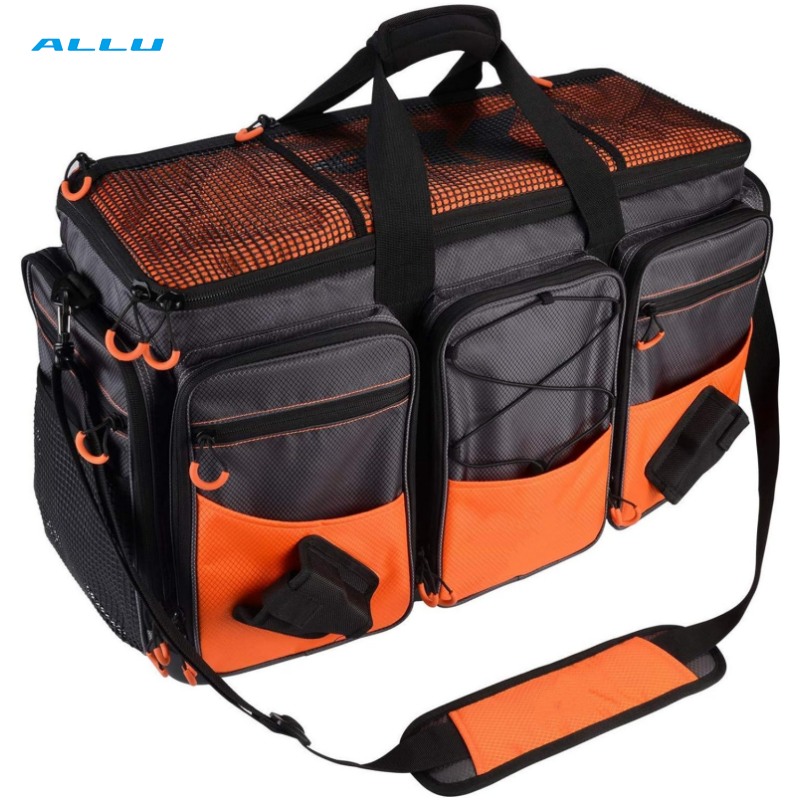
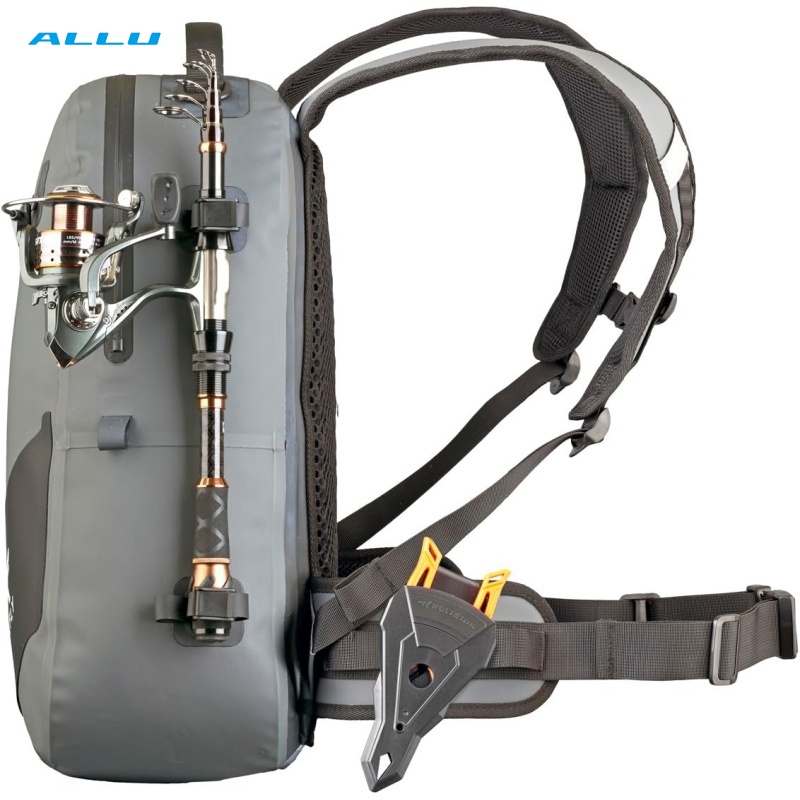
An angler backpack, on the other hand, is tailored for fishing enthusiasts. It includes dedicated compartments for tackle boxes, fishing lines, pliers, hooks, and even rod holders. Many modern designs also feature a waterproof fishing tackle backpack style to protect gear from splashes, rain, or accidental drops near the water.
Storage and Organization
Organization is critical for anglers who need quick access to their gear. Regular backpacks often have a few main compartments and small pockets, which are not ideal for separating delicate fishing equipment.
By contrast, an angler backpack is built with:
Removable tackle trays to organize lures, hooks, and weights
Multiple specialized pockets for tools and accessories
Rod holders and side straps for hands-free carrying
Insulated sections to keep bait or snacks fresh
For those who carry a lot of equipment, a large capacity angler backpack provides ample space without sacrificing comfort. This level of organization helps anglers stay efficient and focused while on the water.
Comfort and Durability
Fishing trips can last hours or even days, often involving walking along riversides, trekking to remote spots, or standing on docks. A regular backpack may not provide the necessary support for carrying heavy gear over long distances.
Angler backpacks are designed with ergonomic features such as padded shoulder straps, breathable back panels, and adjustable chest or waist straps to distribute weight evenly. Materials are also more rugged—nylon, polyester, or waterproof coatings ensure the bag withstands outdoor conditions.
Weather Resistance
While some regular backpacks may resist light rain, most are not designed for constant exposure to water. Fishing, however, takes place in unpredictable environments.
That is why many fishing backpacks are water-resistant or fully waterproof. A best fishing gear backpack often comes with sealed zippers, waterproof compartments, and even rain covers to ensure gear remains dry and usable at all times.
Practical Features for Anglers
Angler backpacks often include practical extras that make fishing more enjoyable, such as:
LED light systems for night fishing
Hydration bladder compatibility for long trips
Tool attachment points for pliers, knives, or scissors
Hard shell sunglasses cases to protect eyewear
Non-slip bottom padding so the bag can rest on wet surfaces without damage
These specialized features make them highly functional compared to regular backpacks.
Why Choose an Angler Backpack?
The difference comes down to efficiency, protection, and convenience. While a regular backpack can carry supplies, an angler backpack is designed to make fishing easier and more productive. It organizes gear, keeps it safe from the elements, and ensures maximum comfort during long hours outdoors.
For casual trips, a simple backpack may suffice. But for dedicated anglers who want to save time and protect their investment in fishing gear, an angler backpack is the smarter choice.
An angler backpack is not just a storage bag—it is a specialized tool that enhances the fishing experience. Compared to a regular backpack, it offers superior organization, water resistance, durability, and comfort. Whether you are planning a short fishing trip or a multi-day adventure, choosing the right fishing backpack can make your outing smoother and more enjoyable.
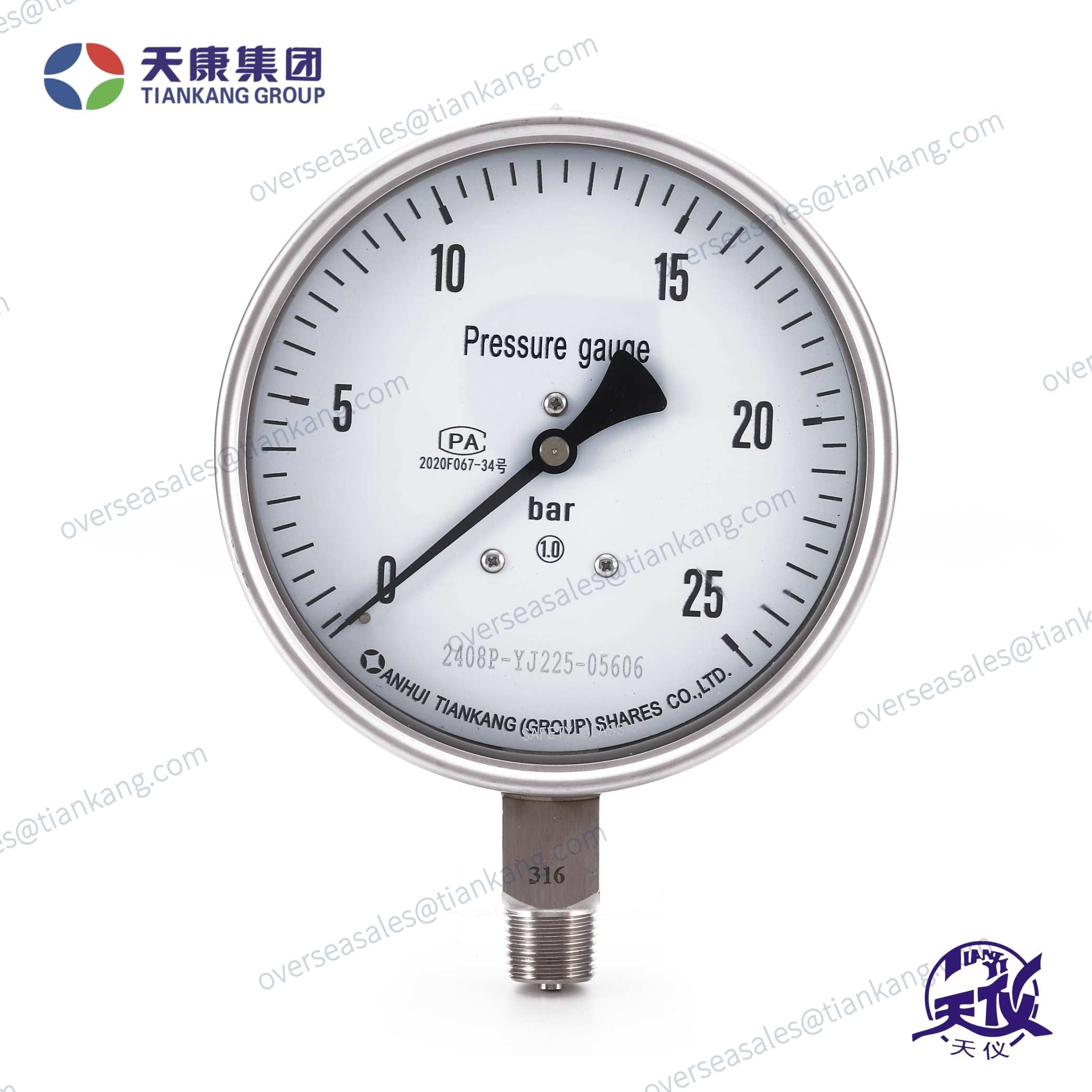
A pressure gauge, commonly referred to as a spring tube pressure gauge or analog pressure gauge, consists of a measuring system made up of a connection, a spring tube, and a transmission mechanism. When the measured pressure changes, the free end of the spring tube moves, and the corresponding pressure value is indicated on the dial. The pointer shows the pressure reading by pointing to the corresponding scale. Pressure gauges are typically used to measure the working pressure of liquids, steam, gas, or other media in closed systems.
When selecting a pressure gauge, it is important to take into account various factors such as the application environment, readability, medium characteristics, and installation method.
Below are the key parameters to consider:
1. Measuring Medium – Name, Operating Temperature, and Characteristics Clearly identify the medium to be measured, along with its temperature and any special properties (e.g., corrosivity, viscosity, or presence of particulates).
2. Dial Diameter The choice of dial size depends not only on readability from a distance and ease of observation but also on whether the installation location can accommodate the selected size.
3. Pressure Range The range should be selected based on actual working pressure and safety requirements. Typically, the full-scale range should be 1.5 to 2 times the normal working pressure.
4. Body Material Selection Select the appropriate gauge material according to the properties of the measured medium and the conditions of the installation environment.
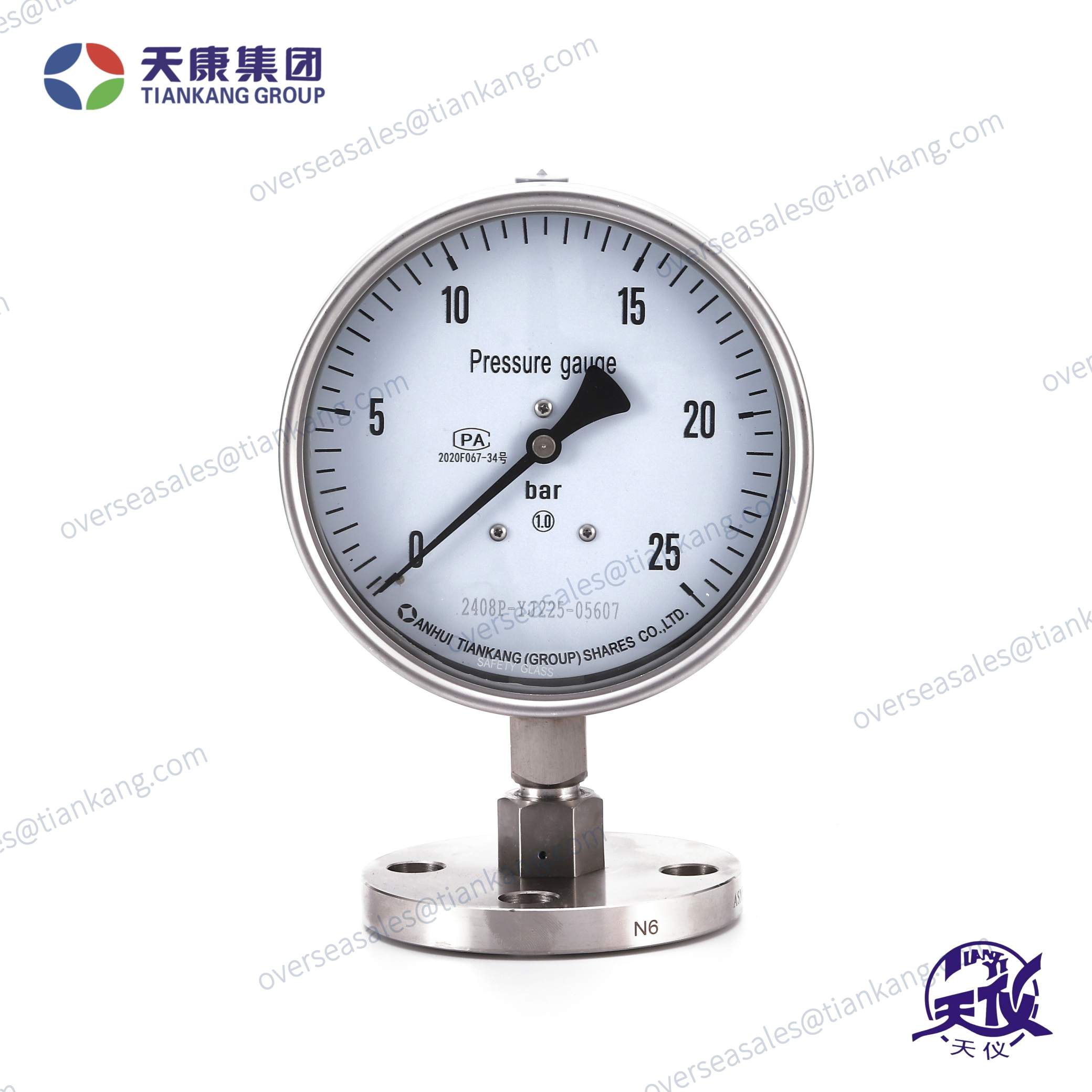
5. Installation Type and Dimensions Consider the mounting method and connection dimensions to ensure proper installation,e.g Diaphragm pressure gaue.
6. Dial and Connection Orientation Choose from the following configurations depending on application needs: Radial, radial with flange, axial without flange, or axial with flange.
7. Functional Requirements Determine whether additional functions are needed, such as control capabilities, remote transmission, vibration resistance, etc.
By carefully evaluating these parameters, you can select a pressure gauge that ensures accurate measurement, operational safety, and long-term reliability in your specific application.
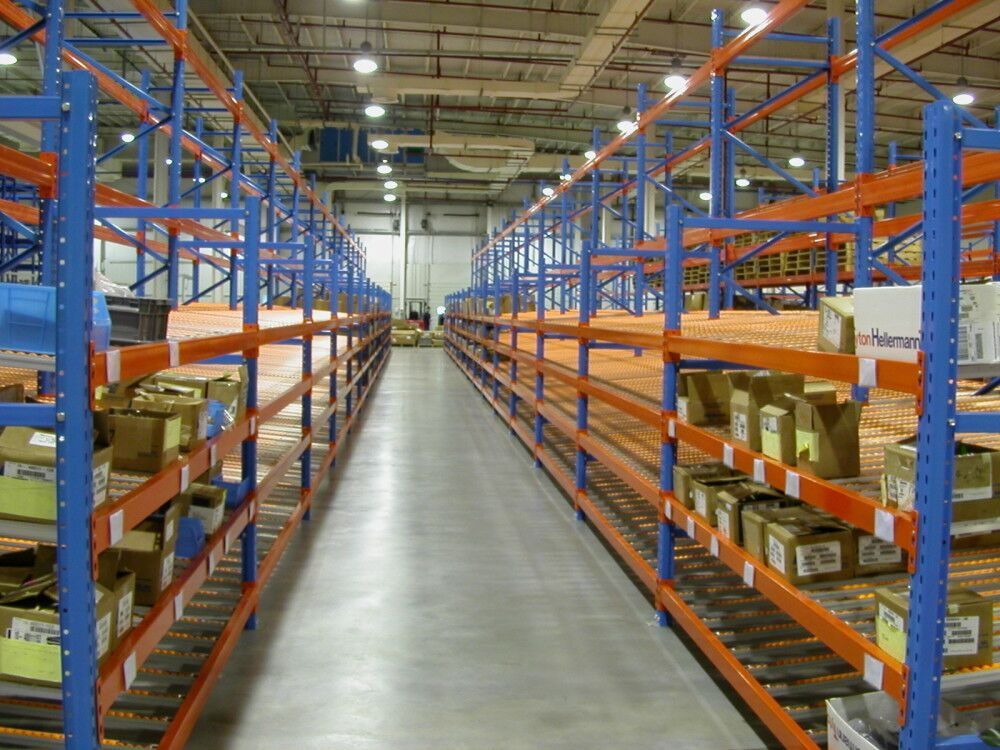
Is your order picking process slowed down by reaching, searching, and shuffling boxes? Do you struggle with inventory rotation, leading to expired stock? It’s time to replace static storage with dynamic movement. Carton Flow Racking isn't just shelving; it's a gravity-powered logistics system designed for speed and accuracy.
What is Carton Flow Racking and How Does It Work?
Carton flow racking is a high-density, dynamic storage system where boxes or cases glide on rolling tracks from the loading point at the rear to the picking face at the front. It turns traditional shelving into a first-in, first-out (FIFO) conveyor system powered by gravity.
The principle is elegantly simple and highly effective:
Gravity-Powered Movement: Each shelf lane is inclined and fitted with low-friction wheel or roller tracks. When a carton is loaded into the back of a lane, gravity gently pulls it forward.
Automatic Product Rotation: As the front carton is picked, the next one immediately rolls into position. This guarantees perfect FIFO inventory rotation, eliminating the risk of stock becoming obsolete at the back of a deep shelf.
High-Density Storage: The system allows for deep lane storage (often 5-10 cartons deep) while maintaining instant access to the front item. This dramatically increases storage density compared to single-depth shelving and reduces the aisle space required.
Where Is Carton Flow Racking the Ideal Solution?
This system revolutionizes operations in any environment with a high volume of case-picking for fast-moving goods. It is the gold standard for:
E-commerce & Retail Distribution Centers: Perfect for picking individual SKUs for direct-to-consumer orders or store replenishment.
Pharmaceutical & Medical Supply Warehouses: Ensures strict FIFO rotation for products with expiration dates or lot tracking requirements.
Cosmetics & Consumer Goods Logistics: Ideal for handling a vast number of SKUs in standard-sized cartons.
Food & Beverage Distribution: Excellent for managing perishable goods and high-turnover packaged products.
Assembly Line Kitting & Parts Supply: Keeps components organized and automatically presented to assembly workers.
Why Choose Kingmore Carton Flow Racking?
At Kingmore Storage Equipment Manufacturing, we engineer flow systems for reliability, not just movement. We understand that a jammed lane or a damaged track halts your entire operation.
Choosing Kingmore Carton Flow means investing in a system built with distinct competitive advantages:
Kingmore Precision-Engineered Tracks: We offer both heavy-duty roller tracks for rugged, uneven-bottom cartons and smooth wheel tracks for ultra-quiet, gentle handling of delicate packaging. Our tracks are manufactured with tighter tolerances for consistent, reliable flow without jamming.
Superior Load Capacity & Durability: Our tracks and supporting beams are constructed from high-grade steel with robust welds. They are designed to handle maximum loads without sagging, ensuring smooth flow even when fully loaded. This reduces long-term maintenance and downtime.
Smart, Adjustable Speed Control: Not all products flow the same. Kingmore systems feature easily adjustable speed controllers at the lane entry. By simply turning a dial, operators can set the perfect rolling speed—from gentle to fast—for any carton weight or size, preventing impact damage at the pick face.
Modular & Highly Configurable Design: Our system is fully modular. Lanes can be easily added, removed, or reconfigured. We provide lanes in multiple widths and depths, and our pick faces can be integrated with Kingmore's Labeling & Lighting Systems for error-proof picking.
Expert Throughput Analysis: Our team doesn't just sell racks; we analyze your SKU velocity, dimensions, and order profiles to design the optimal lane depth, slope, and layout to maximize your pick rates and storage density from day one.
Let Your Inventory Flow, and Watch Your Productivity Soar
Stop wasting time walking and searching. Transform your picking area into a dynamic, high-throughput zone with carton flow racking from Kingmore Storage Equipment Manufacturing.
Ready to automate your picking with gravity? Contact Kingmore today for a workflow analysis and see how our reliable carton flow solutions can accelerate your order fulfillment cycle.
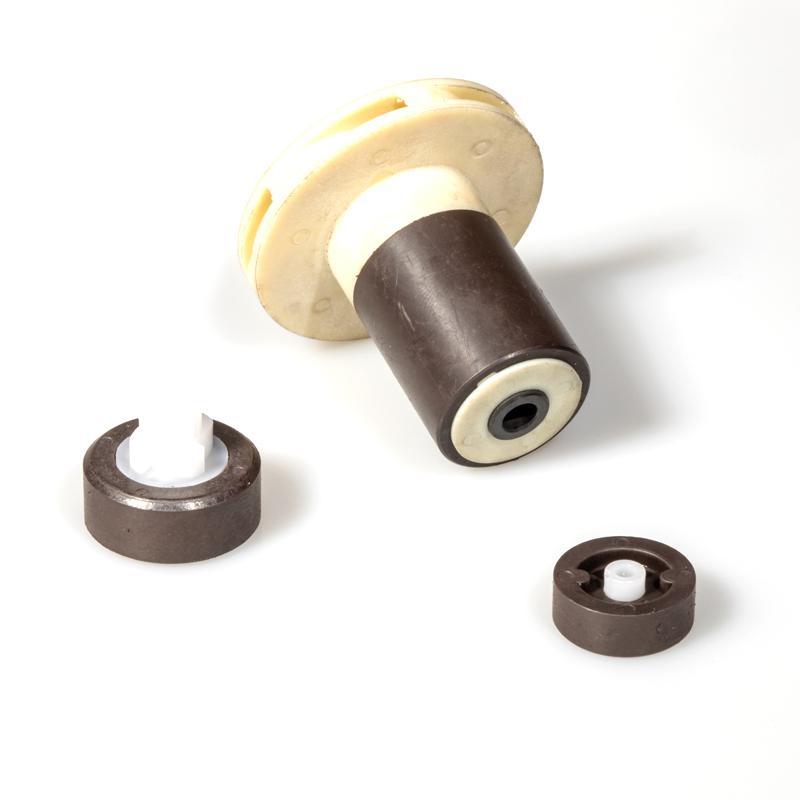
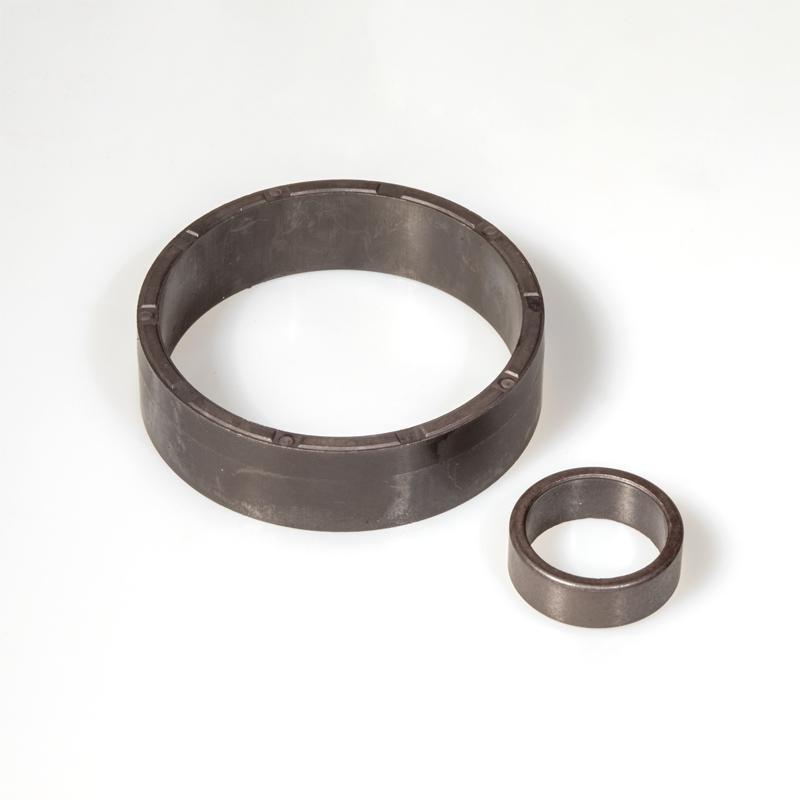
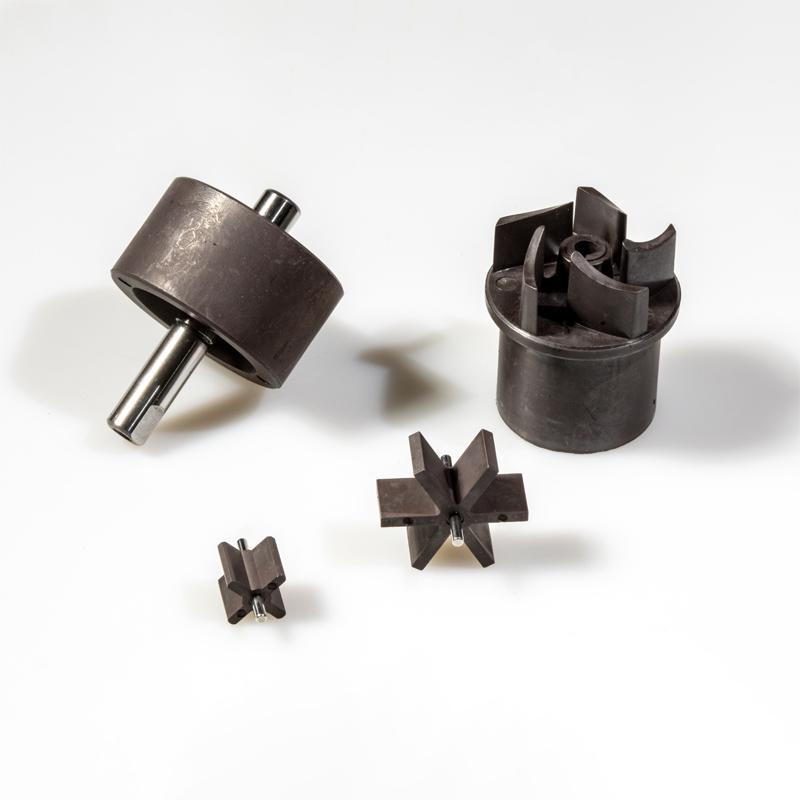
Injection molded magnets help electric motors work better and run smoother. These magnets are made by mixing magnetic powders and polymer binders. They are now very important in modern rotary systems. Manufacturers like injection molded magnets because they can be made in special shapes. They also allow for tight fits and custom magnetization. ZOYN’s advanced process makes sure the magnets are exact, steady, and strong.
In the last ten years, more people have started using injection molded magnets. This is because more electric vehicles and energy-saving parts are needed.
The motors segment made up 35% of market money in 2023. This shows they are used a lot in cars and factories. Injection Molded Magnets for Electric Motors have clear benefits over old types.
Key Takeaways
Injection molded magnets help make strong and light magnets. They can be made in many shapes. These shapes fit well inside electric motors.
These magnets do not rust easily. They do not need extra coatings. This helps motors last longer in hard places.
The way they are made keeps the quality steady. It also makes sure the sizes are exact. This helps motors work well and stay quiet.
These magnets can handle high heat, up to 180°C. This is good for cars and big machines.
Many industries use these magnets. They help build smaller motors that work better. These motors save energy and cost less to make.
Injection Molded Magnets Overview
What Are Injection Molded Magnets
Injection molded magnets are special magnetic parts. They are made by mixing magnetic powders with polymer binders. Some materials used are neodymium-iron-boron, samarium-cobalt, and hard ferrites. Hard ferrites can be barium or strontium ferrite. The kind of magnetic powder changes how the magnet works. It also changes how the material moves during making. Polyamide 12 and thermoplastic copolyester elastomers are common binders. These binders make the magnet strong and help stop rust. The amount of powder and binder changes the magnet’s strength and bendiness. More powder makes the magnet stronger. But it can also change how the material acts and flows.
Injection molded magnets are important in electric motors and rotary systems. Their design lets them have tricky shapes and close fits. This is needed for new motor designs. These magnets can be made for different jobs. They can be different sizes, shapes, and have special magnetization.
Manufacturing Process
Making these magnets uses careful steps that are not like old ways. The table below shows the main differences:
Inject molten compound into molds, sometimes with an external magnetic field for orientation
Sintering presses and heats powders; compression bonding presses and cures
Cooling and Solidification
Cool in mold to solidify shape
Sintering requires high heat; compression bonding cures after pressing
Shape and Complexity
Enables complex shapes and multi-part assemblies
Sintered magnets have shape limits
Magnetic Orientation
External field during molding for anisotropic magnets
Other methods magnetize after forming
First, magnetic powder and binder are mixed together. This makes a thick plastic material. The material is pushed into a mold. It cools down and becomes the right shape. Many molds can be used at once to make lots of magnets. This process lets people make detailed shapes and parts. That is why injection molded magnets are great for new electric motors.
Benefits of Injection Molded Magnets
Design Flexibility
Injection molded magnets give engineers many design choices. They can make shapes that old sintered magnets cannot. The process lets them create detailed and special forms. By mixing magnetic powders with polymer binders, they can mold magnets with fine details. This helps make electric motors smaller. It also lets one part do many jobs.
Injection molding lets makers control the magnet’s strength as it cools. They can change the magnetic field to fit what is needed. This is very important for new electric motor designs.
Magnets can have custom magnetization patterns like axial, radial, or multipole. This gives even more design options. These features are great for places with little space and high performance needs.
Precision and Consistency
Injection molded magnets are known for being precise and steady. The process makes sure each magnet fits just right. The tolerances are not always as tight as sintered magnets. But they still keep good balance and quality.
Aspect
Injection Molded Magnets
Sintered Magnets
Advantage of Injection Molded Magnets
Dimensional Accuracy
High, with good product consistency
Lower, less consistent
Reliable fit and stable quality
Magnetic Properties
Stable, with high surface magnetic field
Very high, but less stable
Consistent performance in motor applications
Multipolarization
Complex shapes possible
Limited, costly for complex shapes
Greater design freedom
Reliability
Tough, resistant to breakage
Brittle, prone to chipping
Increased service life
This process also makes light and small parts. Hard magnetic powder is put into thermoplastic resin. This makes motor parts lighter but still strong. It is good for electric and smart vehicles. These vehicles need to save energy and work well.
Injection molded magnets help make motors smaller.
The process allows making many magnets with steady quality.
Small designs help motors work better and use less energy.
Durability and Corrosion Resistance
Injection molded magnets are tough and resist rust. The mix of powders and binders makes them strong. They can handle hits, shaking, and rough places. They work well in hot and cold, from -40°C to 180°C. This makes them good for cars and factories.
These magnets are very good at fighting rust. The plastic binder covers the magnetic pieces. This keeps out water and air. Most times, they do not need extra coatings. Sintered magnets often need nickel, zinc, or epoxy to stop rust.
Injection molded magnets last a long time in wet or salty places.
Making these magnets costs less when making many at once. The process does not need high heat like sintering. This saves money. That is why they are a smart pick for big orders and tricky designs.
Injection Molded Magnets for Electric Motors
Performance Advantages
Injection molded magnets help electric motors work better. Engineers use these magnets to make motors run smoothly and last longer. The way these magnets are made lets people control their shape and magnetization. This helps motors work well in tough places.
ZOYN’s rotor injection molded magnets are very light. This makes motor parts weigh less. They are good for fast motors and places with little space. The polymer binder in the magnets stops rust. This helps motors last longer in rough conditions.
ZOYN’s magnets can be magnetized in different ways. Engineers can pick axial, radial, or multipole patterns. This helps them make the magnetic field fit each motor.
These magnets keep their magnetic power even when hot. Some special types work up to 180°C. This is important for cars and factories. The molding process makes sure each magnet fits just right. This lowers vibration and noise. Motors with these magnets run smoother and need less fixing.
Feature
Impact on Electric Motors
Lightweight Design
Makes motors faster and saves energy
Tight Tolerances
Cuts down on vibration and noise
Custom Magnetization Patterns
Helps control the magnetic field
Corrosion Resistance
Makes motors last longer
Temperature Stability
Keeps motors working well
These magnets can be made in large numbers. Factories can make thousands of the same magnet fast. This saves money and keeps quality high. That is why many people pick injection molded magnets for new electric motors.
Application Examples
Injection molded magnets are used in many industries. Car makers use them to build small and strong motors for electric vehicles. For example, samarium-iron-nitrogen magnets help make motors smaller and lighter. Scientists are working to make these magnets even better. This could help with rare earth supply and prices.
These magnets can be made in tricky shapes and exact sizes.
Car engineers use them in gear shift indicators and sensor mounts.
Audi seat sensors use these magnets ordered by German customers.
Electric car motors need magnets that do not lose power or break. N48SH magnets in Tesla cars work at 180°C and stop tiny cracks.
Magnet Type
Max Temperature
Key Applications
Strength (BHmax)
Injection Molded
120°C
Custom mounts, clips
3-7 MGOe
Renewable energy systems also use these magnets. BLDC motors in wind turbines and solar trackers use them to work better and save space. Neodymium magnets, even bonded ones, are common in wind turbines and solar trackers. These magnets turn spinning into electricity and help solar panels move just right.
Injection molded magnets are strong and last a long time.
Wind turbines use them on rotors to make electricity.
Solar trackers use them to move panels exactly.
Their strength and light weight help make energy with less material.
Factories and robots need these magnets to work well and stay steady. ZOYN’s rotor magnets show how custom designs help. They give the right magnetic field and can handle tough places. This makes them important for machines that work by themselves.
Injection molded magnets give motors the power, accuracy, and trust needed for cars, green energy, and factory machines.
Engineers pick these magnets because they work well, can be shaped in many ways, and last a long time. These magnets help new ideas grow in many fields.
Magnet Comparison
Sintered vs. Injection Molded Magnet
Sintered magnets and injection molded magnets are not the same. Sintered magnets are made by pressing powder together and heating it up. This makes magnets with strong magnetic power, but it costs more to make them. Injection molded magnets are made by mixing magnetic powder with a plastic binder. They are shaped using heat and pressure. This way, they can be made into many shapes and cost less.
Injection molded neodymium magnets are cheaper to make than sintered magnets.
Sintered magnets are stronger but cost more to produce.
Injection molded magnets can be made in many shapes and in large numbers, so they are good for making electric motors.
Feature
Sintered Magnets
Injection Molded Magnets
Manufacturing Cost
High
Lower
Shape Flexibility
Limited
High
Magnetic Performance
Superior
Adequate for most motors
Production Volume
Moderate
High
Bonded vs. Injection Molded Magnets
Bonded magnets can be made by injection molding or compression molding. Both types use magnetic powders and plastic binders. This lets them be made in tricky shapes with good accuracy. Injection molding is special because it makes parts that are stronger and more exact.
Both bonded and injection molded magnets can have detailed shapes.
Injection molded magnets are stronger and more alike in size.
Making bonded magnets with injection molding saves material and needs less extra work.
Property
Injection Molded Magnets
Bonded Magnets (General)
Mechanical Strength
High
Lower
Shape Freedom
Large
Limited
Dimensional Accuracy
High
Lower
Magnetic Properties
Adjustable
Best when injection molded
Product Consistency
Good
Less consistent
Ferrite vs. Injection Molded Magnets
Ferrite magnetsare made from cheap and easy-to-find materials. They are good for making lots of magnets at once. They do not rust easily and can handle heat. Injection molded magnets use magnetic powders, like ferrite, mixed with plastic. This way, they can be made in many shapes and in big amounts for less money.
Ferrite magnets are best when making many magnets for less money.
Injection molded magnets are better for making tricky shapes.
Bonded magnets have higher electrical resistivity, which helps in some uses.
Using special plastics lets injection molded magnets work in hotter places.
Injection molded magnets are getting more popular because they are easy to make and work well in new electric motors.
More companies now use injection molded magnets. Car makers, electronics, and factories like them because they are light and small. They are easy to make in big numbers. Studies show more electric cars, medical tools, and gadgets use these magnets. Makers like that they can make exact parts that are strong. This helps new ideas in electric motor design.
Injection molded magnets help electric motors in special ways. They do not rust, so no extra coating is needed. These magnets are made to fit very well and work right every time. They can handle high heat, so they work in hot places. Their shapes can be tricky, which helps make new motor designs.
Advantage
Benefit
Corrosion Resistance
No need for extra coating
Dimensional Accuracy
Tight tolerances for reliable performance
Temperature Resistance
Works well in high-heat environments
Complex Shapes
Supports advanced motor designs
New ways to make magnets, like 3D printing, let companies make magnets for special jobs. People who choose parts for motors should look at these magnets. They help make motors lighter, work better, and cost less.
FAQ
What makes injection molded magnets different from sintered magnets?
Injection molded magnets are made with magnetic powder and a polymer binder. Sintered magnets use just powder and heat to form them. Injection molded magnets can be shaped in many ways and fit tightly. Sintered magnets are stronger but cannot be shaped as easily.
Can injection molded magnets resist corrosion?
Yes. The polymer binder covers the magnetic pieces inside the magnet. This layer keeps out water and stops rust from forming. Most of the time, no extra coating is needed.
Where do engineers use injection molded magnets in electric motors?
Engineers put these magnets in rotors, sensors, and actuators. They help motors work well and fit into small spaces. Car makers, green energy, and factories use them a lot.
How do injection molded magnets improve motor efficiency?
Injection molded magnets make motors lighter and fit better. This helps lower shaking and noise. Motors work better and last longer.
Are injection molded magnets suitable for high-temperature environments?
Yes. Some types of injection molded magnets work up to 180°C. This makes them good for cars and factories where it gets hot.
In a VFD (Variable Frequency Drive) control system utilizing Siemens automation components, the modules 6GK7342-5DA02-0XE0 and 6ES7153-4AA01-0XB0 serve distinctly different functions, and whether they are both required depends entirely on your system architecture.
Do You Need Both?
Typically, you do not need both modules simultaneously for a standard application, as they operate in different network domains and physical locations .
- 6GK7342-5DA02-0XE0 (CP 342-5): This is a Communications Processor (CP) designed for the S7-300 PLC rack. Its primary role is to connect the central PLC controller to a PROFIBUS DP network . In a VFD system, you would use this module if your drives are connected via PROFIBUS and you need the central PLC to master the network and exchange data with the drives .
- 6ES7153-4AA01-0XB0 (IM 153-4 PN): This is an Interface Module (IM) for an ET 200M distributed I/O station . Its role is to connect remote I/O modules (mounted on a separate sub-rack) back to the central PLC via a PROFINET network . You would use this if your VFD system requires local sensors/actuators to be wired to a remote cabinet away from the main PLC.
Key Functions:
- CP 342-5 (PROFIBUS DP): Acts as the master or slave on a PROFIBUS network. It handles communication with drives, HMIs, or other field devices, offloading this task from the CPU .
- IM 153-4 PN (PROFINET IO): Acts as the gateway for an ET 200M remote I/O rack. It allows standard S7-300 I/O modules to be placed remotely and communicate with the controller over an industrial Ethernet (PROFINET) network .
Critical Usage Considerations
1. Network Architecture: Do not confuse their purposes. A CP 342-5 is for the central controller rack; an IM 153-4 is for a remote I/O rack. Using them together would imply a complex system with both PROFIBUS drives and remote PROFINET I/O.
2. Product Lifecycle: Note that the specific model 6ES7153-4AA01-0XB0 has been announced for discontinuation (as of October 2023) . Verify the current status or consider successors for new designs.
3. Installation & Safety: Both modules are sensitive to electrostatic discharge . Ensure proper grounding of the mounting rail . Always disconnect power before installation and maintain adequate clearance (at least 40mm) around modules for ventilation .